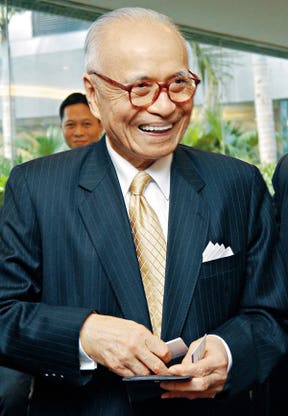
The Billion-Dollar Succession Battle: Unraveling the Chen Din Hwa Family Feud
The world of ultra-high net worth individuals often comes with its own unique set of complexities, not least of which is the intricate dance of succession planning. When immense fortunes are at stake, family dynamics can be tested to their absolute limits, sometimes erupting into headline-grabbing legal battles. Such was the case with the late Hong Kong industrial tycoon, Chen Din Hwa, whose staggering
chen din hwa net worth of an estimated $2.6 billion at the time of his passing became the epicenter of a bitter family feud that captivated the region.
Born into humble beginnings in Ningbo, Zhejiang Province, Mainland China in 1923, Chen Din Hwa's journey from an impoverished apprentice silk merchant at the age of twelve to one of Hong Kong's wealthiest men is a testament to his formidable business acumen and relentless work ethic. Skipping school to support his father's nascent textile venture, he quickly rose through the ranks, eventually becoming chief manager of the family's diversified businesses by his early twenties. His defining move came in 1954 with the establishment of Nan Fung Textiles. What began as a textile powerhouse strategically evolved, under Chen's visionary leadership, into a major property developer and shipping company, laying the foundation for his formidable
Nan Fung Founder Chen Din Hwa: Business Empire & Philanthropic Legacy.
From Rags to Riches: The Foundation of a Billion-Dollar Legacy
Chen Din Hwa's story is the quintessential rags-to-riches narrative that underpins the allure and eventual conflict surrounding his vast estate. His early exposure to commerce, even at a tender age, instilled in him a profound understanding of industry and market dynamics. Helping his father in the textile business meant hands-on experience that many aspiring entrepreneurs only dream of. By 22, he wasn't just an employee; he was a leader, steering multiple shops and factories in bustling Shanghai and Ningbo.
The relocation to Hong Kong in the mid-20th century provided Chen with the perfect crucible for his ambition. Nan Fung Textiles didn't just capitalize on the booming post-war industrial era; it adapted and diversified with prescient foresight. Recognizing the escalating value of land and the strategic importance of global trade, Chen expertly pivoted his company into property development and shipping. This strategic evolution was critical in magnifying his wealth, culminating in a remarkable
chen din hwa net worth that placed him among Hong Kong's elite. His ability to anticipate market shifts and reinvest profits wisely ensured that Nan Fung became a diversified behemoth, making the eventual question of succession all the more critical and contentious. For a deeper dive into the numbers, explore
Chen Din Hwa's $2.6 Billion Fortune: From Poverty to Tycoon.
The Onset of Incapacity and the Seeds of Discord
The meticulously built empire of Chen Din Hwa faced its greatest internal challenge not from market forces, but from the cruel hand of nature. In 2009, the Hong Kong legal system declared Chen Din Hwa incapable of "managing and administering his properties" due to the debilitating effects of Alzheimer's disease. This declaration, while a necessary legal step to protect his interests, set the stage for a dramatic shift in the family's power structure and ignited the very feud that would dominate headlines.
The court, in its wisdom, appointed his younger daughter, Vivien Chen, to take the helm of the Nan Fung Group. This decision, however, came with an immediate internal ripple effect: it effectively bypassed her older sister, Angela Chen, who had long resided in the United States. While the specifics of the court's reasoning are complex, such decisions often weigh factors like direct involvement in the local business, proximity, and perceived capability to steer a massive conglomerate. For families with considerable wealth, health crises often act as catalysts, forcing difficult conversations and legal interventions that can expose underlying tensions and differing visions for the future of the family's assets.
The Legal Onslaught: Wife Versus Daughter
The court's initial ruling was far from the final word in the Chen family's succession saga. The appointment of Vivien Chen as head of Nan Fung did not sit well with her mother and Chen Din Hwa's wife, Yang Foo Oi. Mrs. Yang subsequently launched a high-profile lawsuit against her own daughter, Vivien, accusing her of exercising undue influence over her ailing father. This legal challenge plunged the family into a deeply personal and public dispute, turning what could have been a private family matter into a sensational media spectacle.
Such accusations in high-stakes succession cases are not uncommon. They often involve claims of elder abuse, manipulation, or allegations that one heir has taken advantage of a parent's diminished mental capacity to secure a more favorable position or larger share of the estate. The legal proceedings would have delved deep into family communications, financial transactions, and medical assessments, dissecting the relationships and trust within the Chen family. The sheer scale of Chen Din Hwa's fortune meant that every legal maneuver carried immense financial implications, transforming the courtroom into a battleground for control over one of Hong Kong's most significant private estates. This public display of discord cast a long shadow over the final years of the patriarch's life, even as his philanthropic endeavors continued to quietly benefit society.
Lessons from the Billion-Dollar Battle: Navigating Wealth and Succession
The Chen Din Hwa family feud, while unique in its specifics, offers invaluable insights and cautionary tales for anyone dealing with significant assets, whether a multi-billion-dollar empire or a more modest estate.
Here are some key takeaways and practical tips:
*
The Criticality of Clear Estate Planning: The absence of an unequivocally clear and legally sound estate plan, particularly for individuals with vast wealth and complex family structures, can invite disputes. Chen Din Hwa's situation, complicated by Alzheimer's, highlights the necessity of having these documents prepared and updated *before* capacity becomes an issue.
*
Practical Tip: Consult with estate planning attorneys, financial advisors, and tax experts to draft wills, trusts, and powers of attorney that explicitly detail succession, asset distribution, and decision-making authority. Consider a "living trust" to avoid probate and maintain privacy.
*
Defining Roles in Family Businesses: When multiple family members are involved, clear delineation of roles, responsibilities, and succession pathways can prevent future disagreements. The bypassing of an older sibling, even if justifiable, can breed resentment.
*
Practical Tip: Implement a robust family governance structure, including a family constitution or charter, that outlines principles for wealth management, business succession, and conflict resolution.
*
The Impact of Health on Leadership: A leader's declining health, especially cognitive decline, poses significant challenges. Having pre-determined mechanisms for transferring control ensures business continuity and minimizes vulnerability to internal strife.
*
Practical Tip: Establish a clear process for succession in the event of incapacitation, perhaps involving an independent board or a trusted group of advisors to make objective decisions when needed.
*
Mediation and Communication: While legal battles are sometimes unavoidable, open and honest communication, possibly facilitated by professional mediators, can help resolve disputes without public acrimony and costly litigation.
*
Practical Tip: Encourage regular family meetings where financial matters, business strategies, and individual aspirations can be discussed transparently and respectfully.
*
The Role of Philanthropy: Despite the personal conflicts, Chen Din Hwa's legacy also includes the D.H. Chen Foundation. Such foundations can act as a unifying force, directing a portion of the family's wealth towards shared values and community benefit, potentially easing internal tensions by focusing on a higher purpose beyond personal gain.
*
Practical Tip: Consider establishing a family foundation as part of your estate plan. It can be a powerful vehicle for preserving legacy and fostering shared purpose among heirs.
The Enduring Legacy Beyond the Disputes
Chen Din Hwa passed away on June 17, 2012, at the age of 89. At the time of his death, his incredible
chen din hwa net worth of $2.6 billion positioned him as the 14th wealthiest individual in Hong Kong. While the family feud undoubtedly cast a shadow, his legacy extends far beyond the courtroom drama.
The D.H. Chen Foundation, established in accordance with his deeply held Buddhist beliefs, stands as a testament to his philanthropic spirit. Through substantial donations, the foundation continues to uphold its mission of helping the needy across crucial sectors: education, welfare, and medicine. This commitment to giving back, cultivated during his lifetime, ensures that a significant portion of the wealth he accumulated benefits society, a powerful counterpoint to the personal struggles within his family.
Conclusion
The story of Chen Din Hwa's billion-dollar succession battle serves as a compelling narrative about the intricate interplay of wealth, family, power, and the human condition. From his remarkable ascent from poverty to industrial titan, building an empire that contributed significantly to Hong Kong's economic landscape, to the unfortunate public dispute over his legacy, his life offers profound lessons. It underscores the critical importance of meticulous planning, transparent communication, and perhaps, a deeper understanding of the inherent challenges that arise when a vast fortune and complex family dynamics collide. Ultimately, while the legal battles highlighted personal conflicts, Chen Din Hwa's enduring contributions through his business and his philanthropic foundation ensure his place as a significant figure in Hong Kong's history.